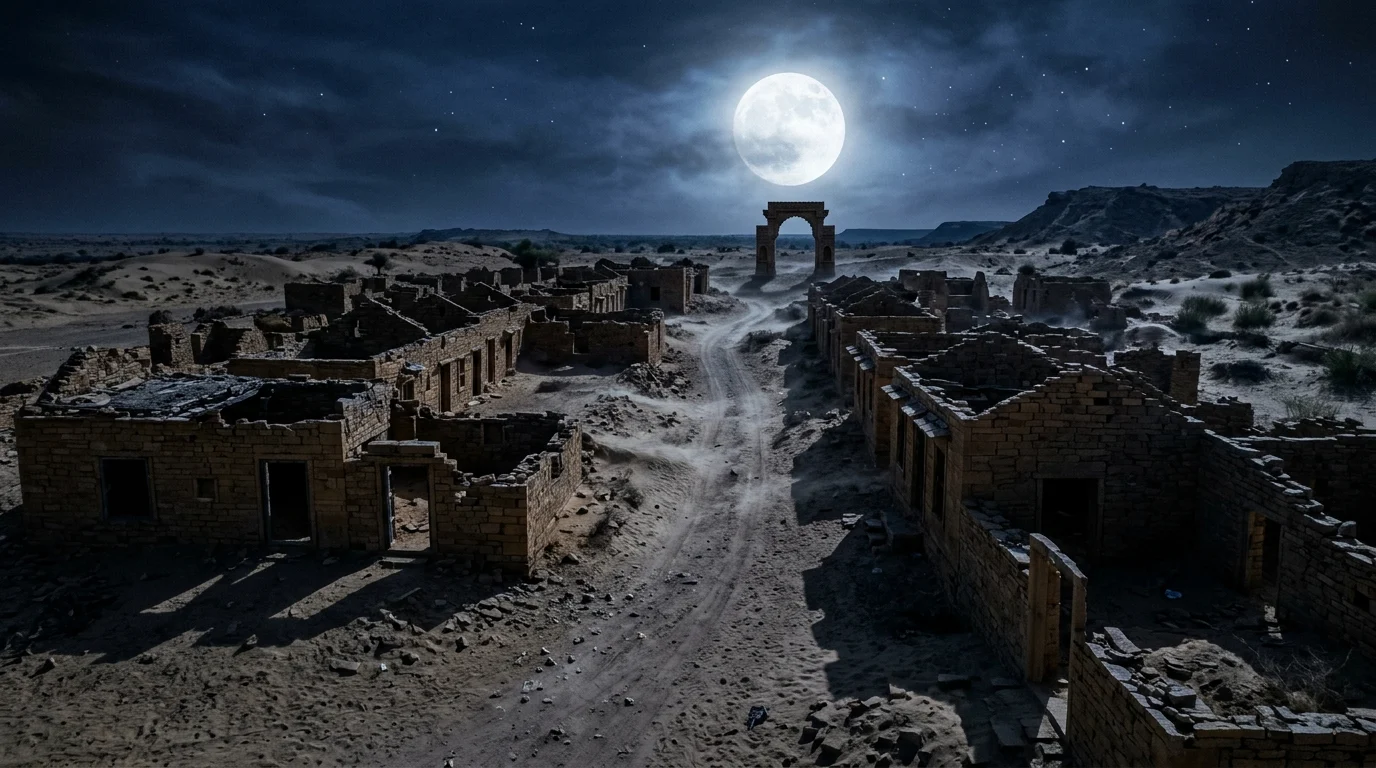
If you stand at the edge of Kuldhara in the late afternoon, as the desert sun dips low and stains the sandstone ruins the color of dried blood, you are struck by a silence so profound it feels unnatural. There are no birds singing in the crumbling lintels. No stray cattle wandering the dry streets. Just over four hundred roofless houses stretching out into the thorny scrub of Jaisalmer, their doorways gaping open like hollow eye sockets.
Tourists visit Kuldhara because it is famous as one of the most haunted places in Rajasthan. But behind the ghost stories lies an extraordinary, documented historical catastrophe. On a single night in the early 19th century, this wasn’t just an abandoned village it was the sudden, collective extinction of an entire civilization across eighty-four prosperous settlements that vanished before sunrise, leaving behind a solemn curse that still chills the desert wind.
Who Were the Paliwal Brahmins? The Geniuses of the Desert
To understand the tragedy of Kuldhara, you must first understand who lived here. These were not primitive nomads; the Paliwal Brahmins were among the most technologically sophisticated agricultural and merchant communities in medieval Asia.
Originally hailing from Pali in central Rajasthan, they migrated to the hostile heart of the Thar desert around the 13th century. What they built was nothing short of miraculous:
- ✦The Khadin System: They pioneered runoff water harvesting techniques, constructing subtle stone dikes (Khadins) that caught scarce monsoon rainwater and saturated the soil with rich silt, allowing them to grow bountiful wheat and chickpea crops in a desert where others starved.
- ✦Architectural Masterminds: Kuldhara’s grid-pattern urban design, ventilated courtyards, subterranean storage chambers, and double-walled sandstone insulations kept interiors cool during 50C summers.
- ✦The Golden Trade Crossroads: Positioned along caravan routes connecting Gujarat ports with Central Asia, the 84 Paliwal villages accumulated immense wealth in gold, silver, and precious gems.
The Tyrant: Salim Singh’s Fatal Obsession
By the 1820s, the kingdom of Jaisalmer was effectively ruled not by its puppet Maharawal, but by its ruthless Prime Minister: Salim Singh (also remembered as Zalim Singh the Cruel One). Notorious for his extortionate taxes and violent purges of political rivals, Salim Singh turned his rapacious eyes toward the prosperous Paliwal community.
According to oral ballads and local records, the tipping point arrived during a state visit when Salim Singh laid eyes on the beautiful young daughter of Kuldhara’s village chief (Mukhiya). Enraptured, the tyrant issued an ultimatum: Deliver the girl to my harem by the night of Raksha Bandhan, or I will unleash my army upon every one of your 84 villages and extract devastating retribution.
For the deeply devout, proud Paliwals, giving their daughter to the corrupt prime minister was unthinkable dishonor. But open warfare against the state cavalry meant annihilation.
The Night of the Great Exodus
Secret riders were dispatched across the desert in the black of night. Representatives from all 84 Paliwal villages convened at the central temple of Kuldhara. In that quiet midnight assembly, thousands of families made an impossible, collective decision: Honor was greater than land, gold, or stone.
Overnight, an estimated 15,000 to 20,000 people packed only what they could carry on bullock carts and their backs. They buried their heavy gold and silver pots deep within subterranean floorboards, locked their oak doors, extinguished their hearth fires, and walked out into the vast, unforgiving desert.
When Salim Singh’s soldiers arrived at dawn to claim the girl and collect the taxes, they found an eerie ghost kingdom. Not a single man, woman, child, or goat remained. The silence was absolute.
The Curse That Sealed the Ruins
Before departing their ancestral hearths forever, the village elders performed a final ritual at the temple threshold. They raised their hands toward the rising sun and cast an eternal curse upon the land:
“May no human being ever settle within these walls again. May anyone who attempts to rebuild or prosper in our homes die without an heir, and may barrenness consume all who seek our stolen soil.”
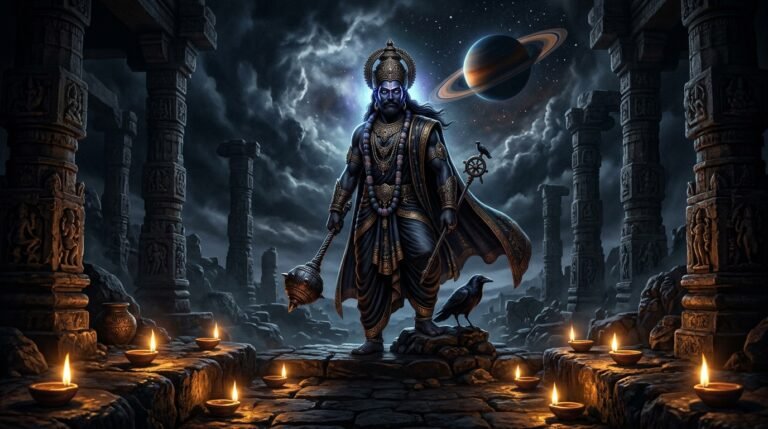
In Hindu tradition, the curse of an wronged, righteous Brahmin (Brahma-Shrap) is considered among the most permanent, immutable spiritual forces in creation the very energy that creates entities like the Brahmarakshasa. And across two centuries, history proved the curse eerily resilient:
- ✦Multiple attempts by successive rulers and enterprising local families to resettle Kuldhara ended in sudden, mysterious deaths, illness, and abandoned attempts within months.
- ✦Today, out of the 84 original settlements, a few on the periphery were slowly repopulated, but the central town of Kuldhara remains completely, starkly abandoned.
Paranormal Investigations in Modern Times
In recent decades, Kuldhara has attracted international paranormal researchers and media teams (including the Indian Paranormal Society). Investigators staying overnight with EMF meters, infrared thermometers, and audio recorders have reported bizarre anomalies:
- ✦Extreme Thermal Drops: Unexplained temperature plunges of 10 to 15 degrees Celsius in specific ruined chambers within seconds, even during sweltering desert nights.
- ✦Shadowy Apparitions: Fleeting human silhouettes seen pacing across roof terraces and vanishing into solid stone walls.
- ✦Auditory Phenomenon: Faint sounds of bustling market chatter, tinkling glass bangles, and the crying of children echoing through desolate dusty lanes.
- ✦Child Footprints: Researchers who scattered talcum powder across locked room floors at night found mysterious small footprints in the morning dust without any entry point.
Frequently Asked Questions About Kuldhara
Can you stay overnight at Kuldhara village?
No. The local administration and the Archaeological Survey of India (ASI) lock the village gates around 6:00 PM and strictly forbid overnight stays due to safety concerns and dangerous desert wildlife.
Where did the Paliwal Brahmins go after abandoning Kuldhara?
Historical migrations indicate that the dispersed Paliwals settled in parts of Jodhpur, Bikaner, Malwa in Madhya Pradesh, and across parts of Uttar Pradesh, quietly re-establishing their merchant and farming livelihoods while keeping their lineage memories alive.
Is the buried treasure of Kuldhara still there?
For over a century, local treasure hunters dug up house floors looking for the hidden gold pots. While some silver coins and brass utensils were found, the vast majority of the community’s legendary wealth was either carried away or remains sealed beneath the desert sands.
The Ghost Town That Refuses to Forget
Kuldhara is not frightening because of monsters jumping from shadows. It is haunting because it represents the triumph of communal dignity over monstrous tyranny. Every fallen roof beam and cracked sandstone archway stands as an enduring monument to a community that chose exile into the unknown over kneeling before a despot.
As the night wind whips through the deserted lanes, carrying the scent of dry acacia and ancient dust, Kuldhara whispers its eternal desert lesson: Empires and tyrants crumble into dust, but a people’s honor outlasts the stones themselves.
Explore more dark desert lore, forgotten forts, and spine-chilling history in our guides to Bhangarh Fort’s tragic night and the ferocious legends of Babar Bhoot.
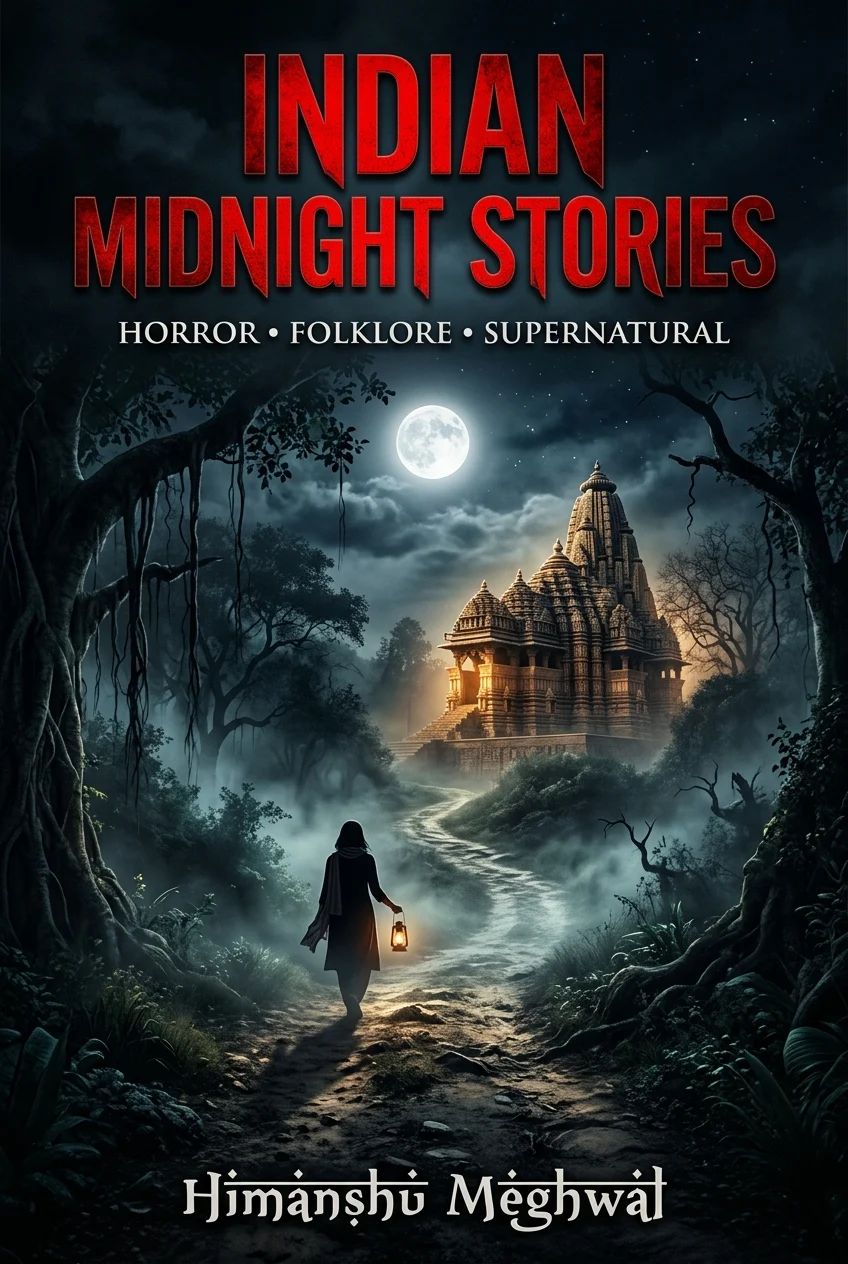
FROM THE AUTHOR • HIMANSHU MEGHWAL
Loved This Dark Folklore Investigation?
Experience 11 haunting tales of ancient curses, nocturnal entities, and forgotten Indian mysteries in the bestseller Indian Midnight Stories.