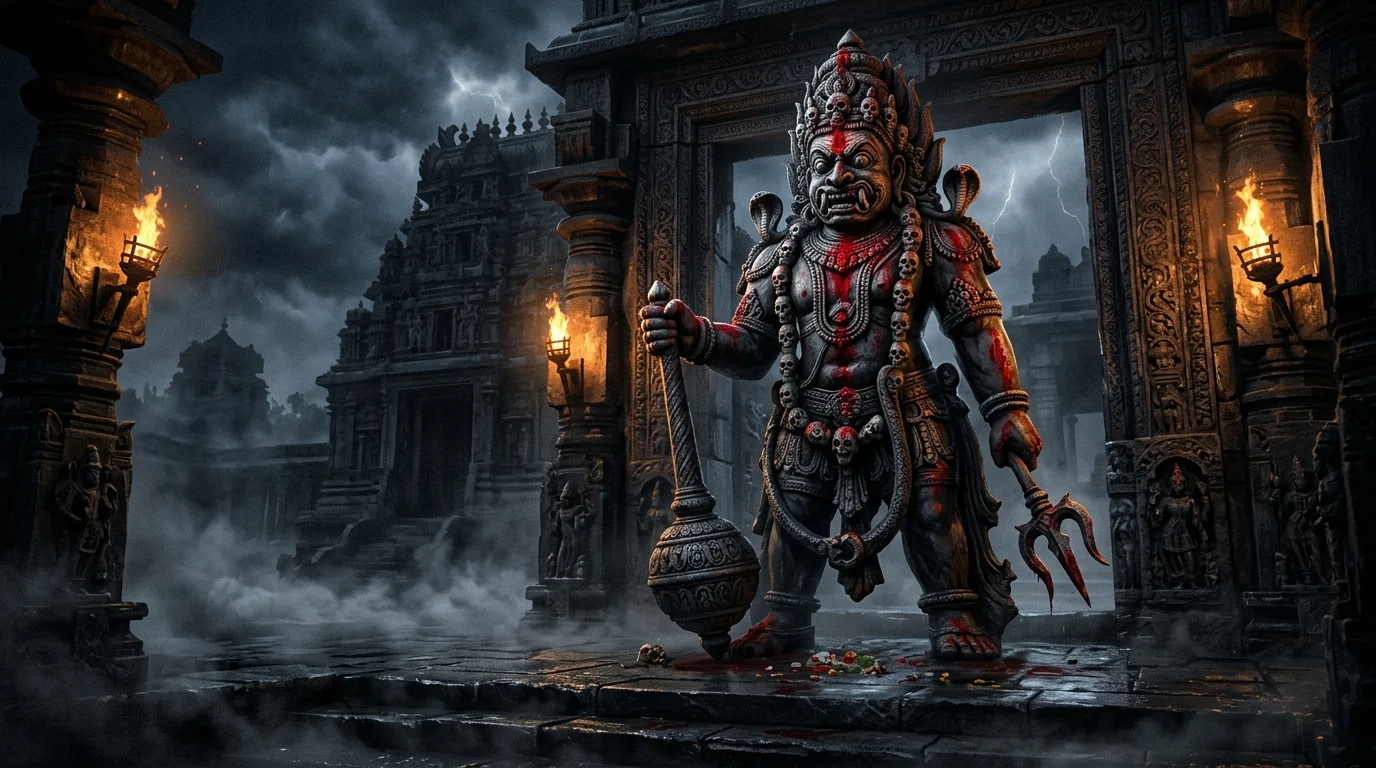
If you walk into an ancient temple complex in Tamil Nadu, Kerala, or Odisha late at night, long after the inner sanctum doors have been locked with heavy brass chains, you will notice a solitary shrine situated strictly at the northeast corner of the outer boundary wall. There is no gentle smiling flute-player carved into that stone. The figure standing guard holds a flaming mace or skull-topped staff, his hair radiating outward like tongues of fire, accompanied by a fierce black hound. This is Kshetrapala the Guardian of the Sacred Realm.
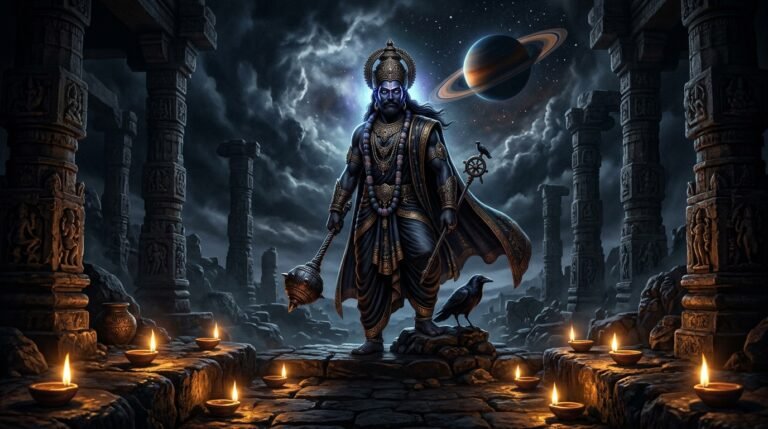
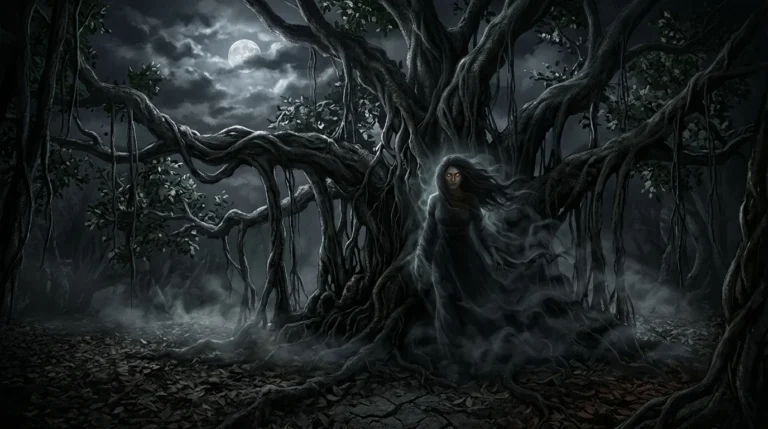
Throughout our discussions of predatory spirits like the Pishacha, the seductive Yakshini, and the nocturnal terror of the Daayan, a central question arises: What keeps these dark forces from invading civilized settlements and sanctified shrines? In Hindu theology and Tantric metaphysics, the answer is the eternal, watchful boundary stone of the Kshetrapala.
What Is a Kshetrapala in Tantric Tradition?
The Sanskrit compound Kshetrapala is formed by two critical roots: Kshetra (field, holy site, land, consecrated boundary, or the human body itself) and Pala (protector, guardian, or sovereign keeper). He is the divinely appointed warden of sacred geography.
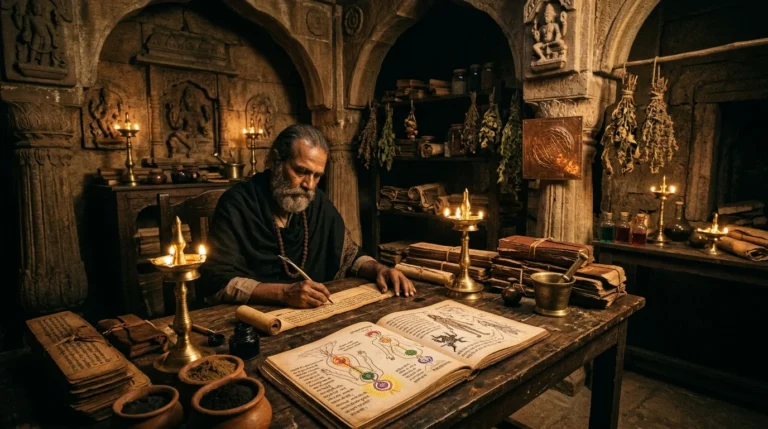
Before a single brick of an Indian temple is laid, or before a new village boundary is carved out of the wilderness, classical Agama texts require the priest to perform Kshetrapala Puja. The earth must be leased from its supernatural guardian. Without his explicit consent, no yajna can bear fruit, and no shrine can remain untainted by wandering astral parasites.
Mythological Origins: Born of Divine Fury
Puranic literature offers multiple accounts of Kshetrapala’s emergence, most notably linked to the cataclysm of Daksha’s sacrifice. When Goddess Sati immolated herself in the sacrificial fire and an enraged Shiva unleashed Virabhadra to dismantle the arrogance of the gods, droplets of sweat and divine rage fell upon the earth, coalescing into formidable boundary guardians.
In Shakta and Tantric traditions, Kshetrapala is intimately connected with Lord Shiva’s fierce form as Bhootnath and Bhairava. While higher deities oversee cosmic principles, Kshetrapala operates on the physical frontline standing directly between mortal worshippers and the predatory horrors of the unmapped wilderness.
Iconography: The Anatomy of Terror for the Demonic
In classical Shilpa Shastra (sacred sculpture), Kshetrapala’s visual form is designed to strike paralyzing terror into the hearts of malevolent entities:
- ✦Three Blazing Eyes (Trinetra): Penetrating both past, present, and the hidden astral dimensions to detect invisible intruders.
- ✦The Jwala Kesa (Flaming Hair): Coiled locks of fiery red hair standing on end, representing awakened, unyielding Kundalini fury.
- ✦Sacred Weapons: He holds the Danda (staff of justice), Khadga (sword of discrimination), Trishula (trident of sovereignty), and a Kapala (skull bowl).
- ✦The Vahana (Black Dog): The canine companion represents acute sensory awareness, capable of smelling death and negative intent miles before they manifest in physical space.
The Midnight Offering: Bali and the Final Lock
In ancient South Indian temples, daily worship does not conclude with the priest putting the main deity to sleep. The final, mandatory ritual of the night belongs exclusively to Kshetrapala.
Around 10:00 PM, after all worshippers have departed and the temple gates are ready to be locked, the chief priest walks in total silence to the northeast corner. A special ritual offering called Bali consisting of cooked rice mixed with turmeric, lime (turning it a vivid blood-red), and black sesame is placed before Kshetrapala. The heavy brass keys to the temple treasury and sanctum are symbolically laid at his feet.
Only after Kshetrapala is officially entrusted with the perimeter can the priest turn his back and walk away, confident that no entity whether human thief or wandering Babar Bhoot can cross that consecrated stone line until sunrise.
The Metaphor of the Inner Boundary
Like all great tenets of Indian mythology, the legend of Kshetrapala carries a profound psychological and philosophical truth. In the Bhagavad Gita (Chapter 13), Lord Krishna states: “Idam shariram Kaunteya kshetram ity abhidhiyate” This mortal human body is the Kshetra (the field).
If your body and mind are the sacred field, who is your inner Kshetrapala? It is your conscious awareness, your discernment, and your inner moral discipline. When you fail to maintain clear boundaries in your life, when you let toxic energies, negative thoughts, and destructive desires cross into your mind unchecked, the inner temple is desecrated.
Kshetrapala teaches that compassion without ferocious boundaries is suicide. To protect what is sacred, one must be willing to stand at the gate with a flaming sword.
Frequently Asked Questions About Kshetrapala
Are Kshetrapala and Bhairava the same deity?
In many local regional traditions, yes: Kshetrapala is worshipped as an aspect or son of Bhairava. However, in formal temple architecture, while Bhairava often has a full independent shrine within the courtyard, Kshetrapala is strictly stationed at the outer perimeter or entrance corner to serve as the structural guardian.
Where is Kshetrapala prominently worshipped today?
Kshetrapala worship remains vibrant across the temple networks of Kerala (particularly in Theyyam rituals as Kshetrapalan), the ancient Shiva and Shakti temples of Tamil Nadu, and the rural border shrines of Karnataka and Maharashtra where he is revered as the protector of village crops and cattle.
The Unbroken Watch
In our modern world of concrete highways, electric lights, and digital screens, we rarely think about the boundaries between the civilized and the untamed. But stand at the edge of an ancient temple tank on a moonless night, feel the sudden chill in the air, and look toward the solitary stone figure standing in the corner.
He has stood there through centuries of wars, floods, and shifting empires. And as long as night falls upon this earth, the fierce guardian of the threshold remains awake, watching the darkness so we can sleep in peace.
Delve further into our esoteric lore collection, exploring sacred serpent guardians, the mystical world of the Aghoris, and unsettling tales from rural India.
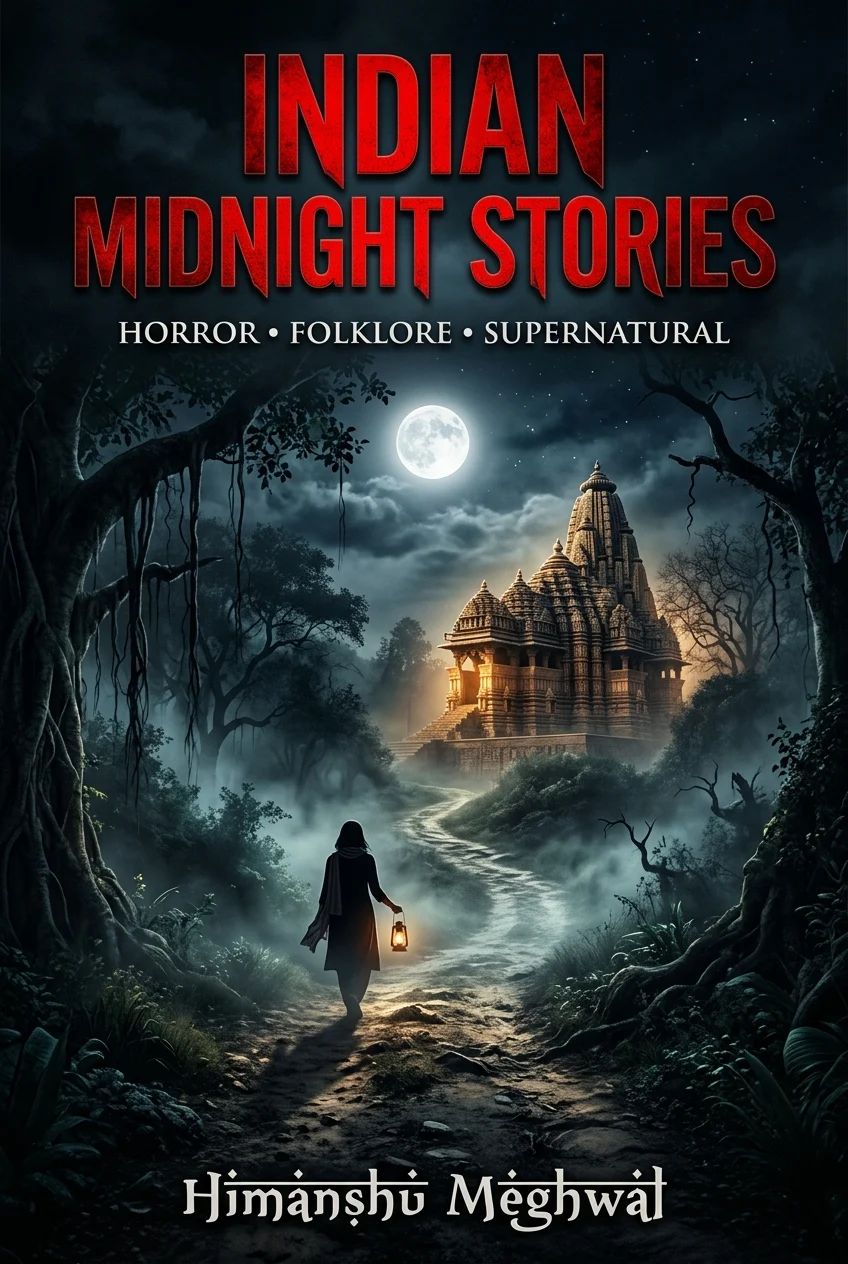
FROM THE AUTHOR • HIMANSHU MEGHWAL
Loved This Dark Folklore Investigation?
Experience 11 haunting tales of ancient curses, nocturnal entities, and forgotten Indian mysteries in the bestseller Indian Midnight Stories.