In South Indian folklore, water is never merely a physical element. It is an ancient, living threshold. From the roaring monsoon cascades of the Western Ghats to the ancient stone barrages of the Kaveri delta, every bend in the river carries an old village warning: never wade into deep waters when the sun stands directly overhead at noon, or when twilight turns the surface into black glass.
While northern and western lore is filled with desert apparitions and forest witches like the Daayan and Churel, South Indian folklore harbors a terrifying pantheon of water demons, river spirits, and drowned phantoms that lurk beneath the tranquil currents. Across Tamil Nadu, Kerala, and Karnataka, ancient waters hold memories that refuse to settle.
The Sacred and the Sinister: River Lore in the Dravidian Heartland
Rivers like the Kaveri, Vaigai, Godavari, and Periyar have nourished civilizations for millennia. Yet, in village memory, they are also vast burial grounds. Seasonal flash floods, ancient riverbank battles, and tragic drowning accidents have accumulated centuries of spiritual unrest along their banks.
Unlike forest spirits that make their presence known through rustling foliage or eerie whispers like Bengal’s Nishi Dak, aquatic entities in Indian folklore are masters of patience. They wait unseen beneath the silt, using the quiet rippling of the current to mask their approach.
The Major Water Entities in Indian Demonology
1. The Jal Pisacha (The Water Ghoul)
In classical Puranic and folk demonology, while the standard Pishacha haunts dry cremation grounds and charnel houses, the Jal Pisacha (aquatic ghoul) is its terrifying aquatic counterpart.
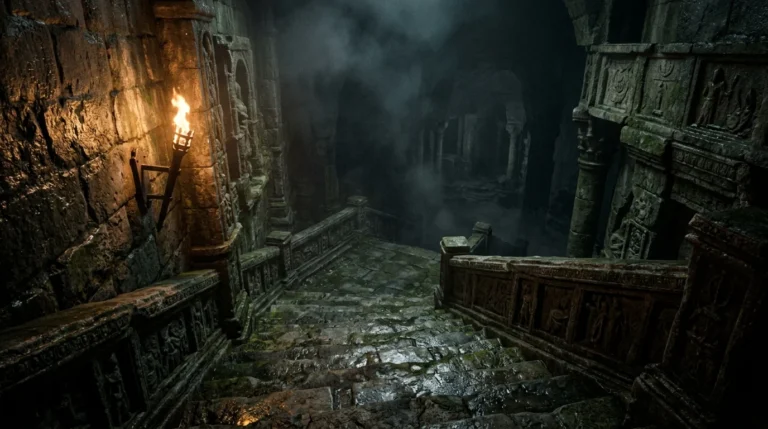
Village tales describe it as an emaciated, blue-gray entity with webbed, elongated fingers, needle-sharp teeth, and bloated, waterlogged skin. It resides in deep whirlpools (Suzhi), abandoned stepped temple tanks (Kalyani), and deep irrigation sluices. Its signature hunting method is insidious: swimmers feel an icy, human-like grip clamp around their ankle beneath the surface, dragging them steadily downward without a splash or struggle.
2. The Riverbank Mohini
Closely related to the forest Yakshini, the South Indian Mohini frequently manifests at river bends, bathing ghats, and isolated ferry crossings during dusk.
She appears as an enchanting woman dressed in immaculate white or crimson silk, washing her cascading black hair in the stream. She calls out to lone fishermen or night travelers, asking for help across the ford. The folklore warning is explicit: those who step into the river to reach her find the depth plunging instantly into a bottomless trench, while her mesmerizing voice transforms into a cruel, triumphant laugh as the currents close overhead.
3. The Kallanai Dam Legends: Foundation Sacrifices
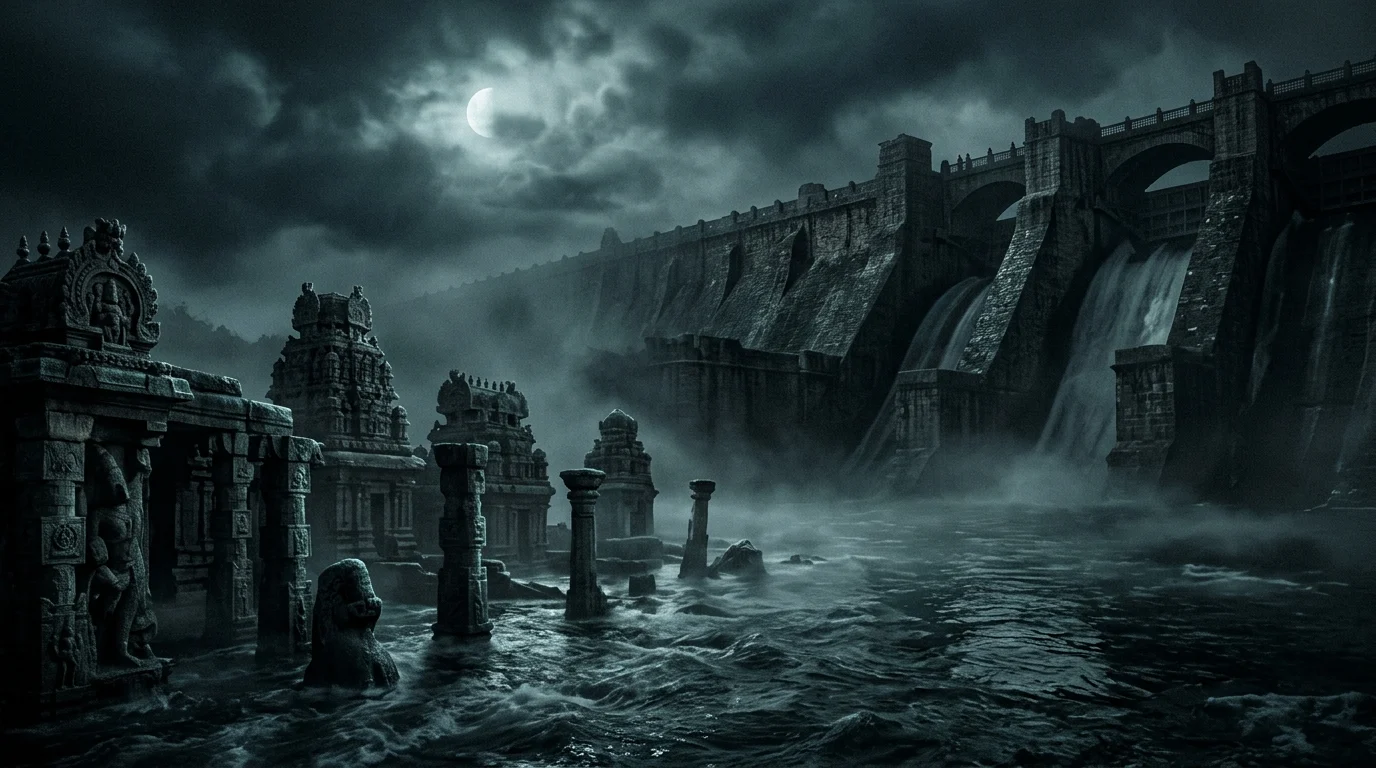
Built in the 2nd century CE by the legendary Chola King Karikalan, the Kallanai (Grand Anicut) on the Kaveri River is one of the oldest water-diversion structures in the world still in use. Local folklore surrounding ancient hydraulic projects often speaks of Bali ancient sacrifices offered to pacify the river goddess and appease turbulent water elementals who repeatedly shattered earlier stone foundations.
Generations of sluice operators and local fishermen whisper of shadowy, guardian figures that patrol the stone embankments during monsoon flood surges, ensuring the ancient pact between mortal engineers and the river spirits remains unbroken.
Why Midday and Twilight Are Considered Dangerous
In Western ghost stories, the supernatural belongs almost exclusively to the midnight hour. However, South Indian folk tradition recognizes two distinct, high-danger thresholds for water spirits:
| Threshold | Local Term | Supernatural Risk |
|---|---|---|
| High Noon (12:00 PM) | Uchi Veyil | The sun casts no shadow. Spirits trapped between dimensions find maximum vulnerability in human minds dazed by heat. Stepping into deep temple tanks at noon invites sudden paralysis or spirit possession. |
| Dusk / Twilight | Sandhya Velai | The liminal hour when day dissolves into night. Aquatic predators and drowned spirits rise to the surface to gaze upon the mortal world. |
Rituals of Protection: The Turmeric Cord and the Iron Ring
Centuries of living alongside sacred, perilous rivers produced distinct cultural defense mechanisms among South Indian riverine communities:
- ✦Offering the First Water: Before entering an unfamiliar river or tank, bathers flick water with their fingers toward the sun and riverbed as a humble prayer of permission to the residing Jal Devatas.
- ✦The Iron Nail or Ring: Traditional divers and night fishermen wear a ring forged of unrefined black iron on their left middle finger to prevent the paralyzing touch of a Jal Pisacha.
- ✦Never Responding to a Lone Name: Much like the folklore of the Bengal wetlands, if you hear your name called from the middle of an empty riverbank mist, village wisdom strictly commands total silence.
The Mirror of the Unconscious
The folklore of water demons and drowned spirits in South India endures because water is the ultimate metaphor for the unknown. A river’s surface can look like a polished mirror reflecting the sky, yet just three feet beneath, currents of immense power move in total darkness.
These ancient legends taught human communities respect, vigilance, and humility before the formidable forces of nature. The next time you stand beside an ancient river at sunset, watching the dark water curl lazily around the stones, remember the old Dravidian proverb: The river gives life to those who revere her, but she keeps those who forget her depth.
Immerse yourself deeper into our folklore archives, exploring forgotten entities from the sacred serpent Naga lore to the terrifying tales of 25 legendary Indian horror stories.

FROM THE AUTHOR • HIMANSHU MEGHWAL
Loved This Dark Folklore Investigation?
Experience 11 haunting tales of ancient curses, nocturnal entities, and forgotten Indian mysteries in the bestseller Indian Midnight Stories.